
Louisville health care company enters Wichita market with plans for multiple clinics

A Louisville, Ky., health care company has entered the Wichita market with plans to serve the senior community with four or five clinics.
CenterWell Senior Primary Care is picking up where Miami-based ChenMed left off with its Dedicated Senior Medical Centers.
ChenMed had planned at least three of the clinics in Wichita and opened its first one at 13th and Grove in early 2023.
CenterWell has purchased that clinic and renamed it.
There will be what the company called “a grand reopening” from 11 a.m. to 2 p.m. on May 2. There will be tours and complimentary food and drinks.
“It’s kind of unveiling CenterWell,” said David Wurth, CenterWell’s associate operations director for Kansas and Missouri.
CenterWell, along with Conviva Senior Primary Care in Florida and Texas, is part of Humana.
Humana bills itself at the largest and fastest-growing provider for senior primary care in the United States, with more than 340 centers in 15 states serving almost 400,000 people.
Wichita is one of its newest markets.
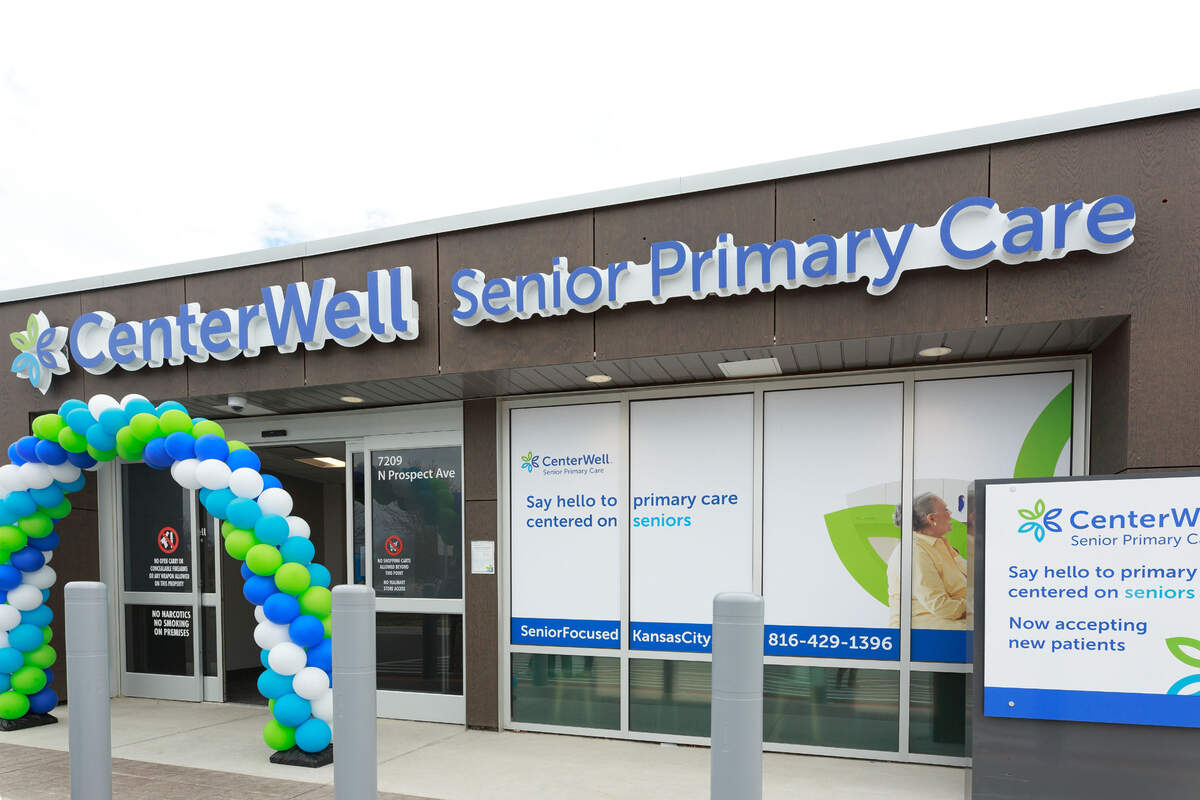
“Right now CenterWell has seven centers up in Kansas City, and so it’s really an extension of that footprint here in the Kansas-Missouri area,” Wurth said. “It’s a market that is severely underserved for senior care — especially the approach that we use.”
He said CenterWell isn’t focused solely on physical care but on social and emotional needs as well.
“COVID took an extremely hard hit on this population,” Wurth said.
He said CenterWell can help combat feelings of isolation that still exist in the senior population.
“That’s kind of the type of care we look at as being more holistic.”
Even simply coming into the clinics feels different when seniors see other people their age. Wurth said it can be a more comfortable environment.
“It resonates well,” he said. “I think people just feel more relaxed.”
A traditional primary care clinic can treat seniors well, Wurth said. However, just as young patients can benefit from pediatric care, so too can seniors benefit from a more focused approach.
“They’re a very unique group of individuals that require, I think, a more specialized care,” Wurth said. “All we see are seniors that are 65 and over.”
‘More beneficial’
Unlike some primary care clinics that see thousands of patients a year, Wurth said, “Our providers see somewhere between 400 and 500 patients, so we can spend more time.”
He said ChenMed was focused on seeing more patients and seeing them more frequently.
“We think that spending more time with them on each visit . . . is more beneficial,” he said. “We just don’t see as many patients every day because we’re spending more time with them.”
Appointments typically last 40 minutes. For up to 30 of those minutes, the provider meets with the patient.
“In most other clinics in town, you’re lucky to get 5 to 8 minutes,” Wurth said. “That’s probably the biggest difference.”
There is a dispensary on site to fill about 200 of the most common medications.
Another hallmark of CenterWell is locating in care deserts and where patients particularly are in need.
“Part of the CenterWell care model is really focusing on those in disadvantaged economic locations or minorities because they tend to have more chronic conditions that need more attention,” said Lisa Ferguson, corporate communications lead for Humana and CenterWell.
She said 64% the company’s clinics are purposely place in disadvantaged areas.
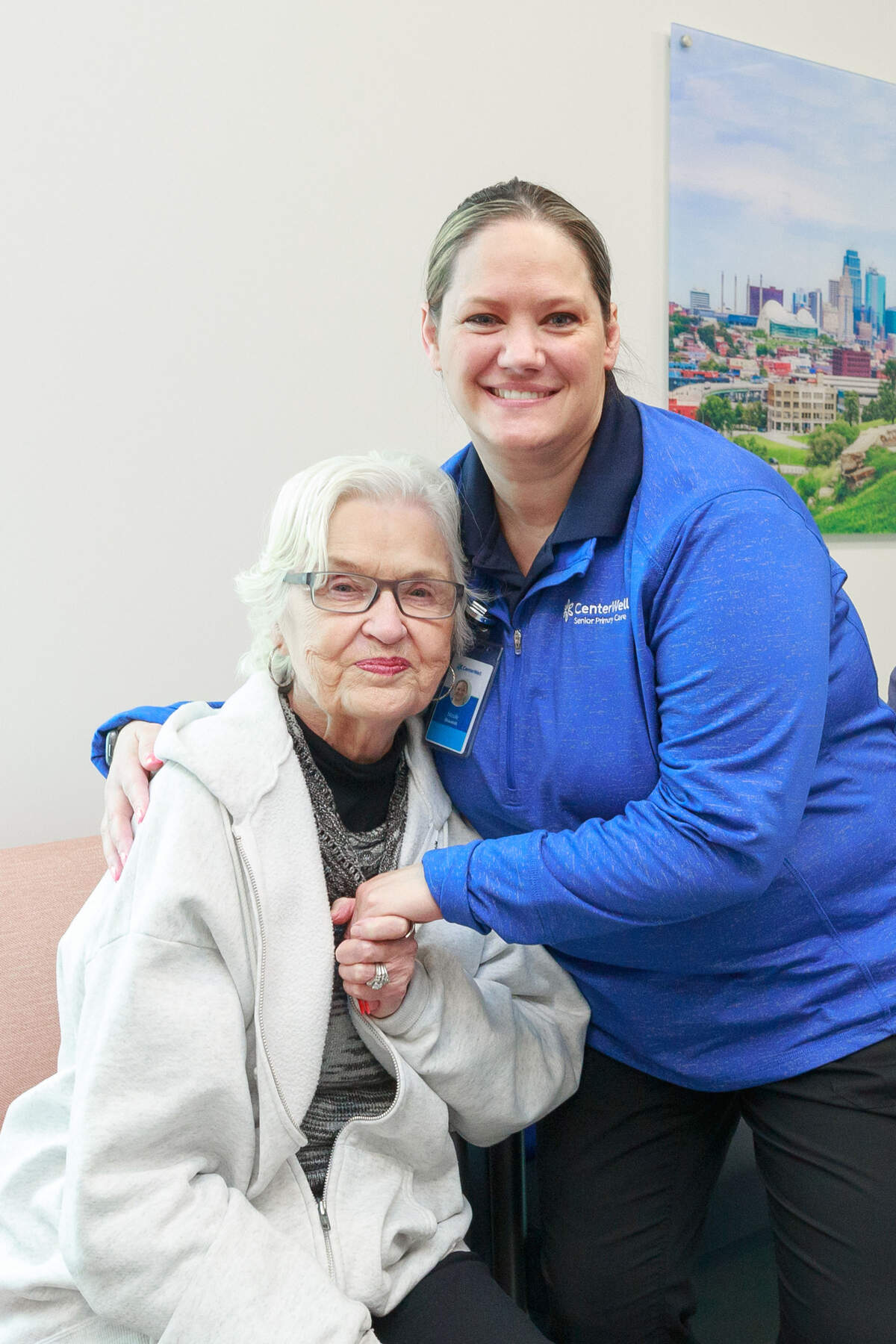
CenterWell plans its second clinic at the Parklane shopping center, at Lincoln and Oliver. The facility is ready to go, but the clinic is still hiring staff. It should be open by late fall.
The company plans four or five clinics over the next three to five years.
“We think there is a need to serve close to we think 10,000 patients,” Wurth said.
So what if you’re already seeing a primary care physician?
Wurth said to ask yourself a couple of questions.
“Are you getting the full attention that you need and the care that you deserve?”
He said there’s no need for people to change “if they are happy and they are getting the care the need.”
“If not,” Wurth said, “here’s our team.”