
Sudha Tokala on her Marriott, ramen bar and why she’ll never invest in downtown again
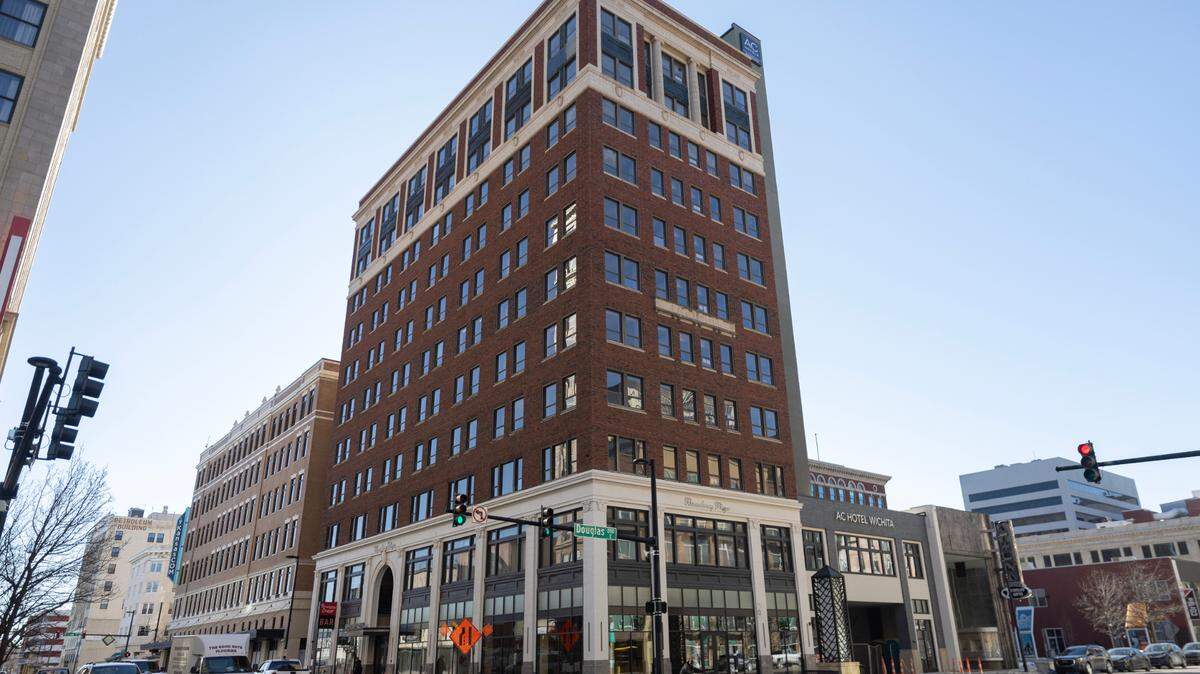
The 11-story AC Marriott Hotel was supposed to be open by now, so it made sense to once again check with Sudha Tokala to see why it’s not.
The pharmacist-turned-developer had a lot to say while addressing the hotel along with the student housing she plans at Sutton Place — the last two pieces of the five buildings she’s been transforming in the heart of downtown — and what it’s like in general to work with the city on older properties.
First: the hotel, which is at the southwest corner of Douglas and Broadway.
Originally, it was supposed to open in 2023, then spring of 2024, then late 2024.
There had been construction delays, but now Tokala said “the building is done and ready.”
She said there’s currently a wait while “just finishing up the Marriott opening protocol.”
Tokala said that entails quite a bit, especially related to IT, such as getting access cards to work on the 120 rooms.
Bookings likely won’t be available until May or June.
“The franchise always gives themselves room,” Tokala said.
There will be a first-floor restaurant and bar with Spanish-style tapas.
“It’s a very European restaurant,” Tokala said.
The restaurant, which Tokala said likely will be named after the hotel, will be open to the public.
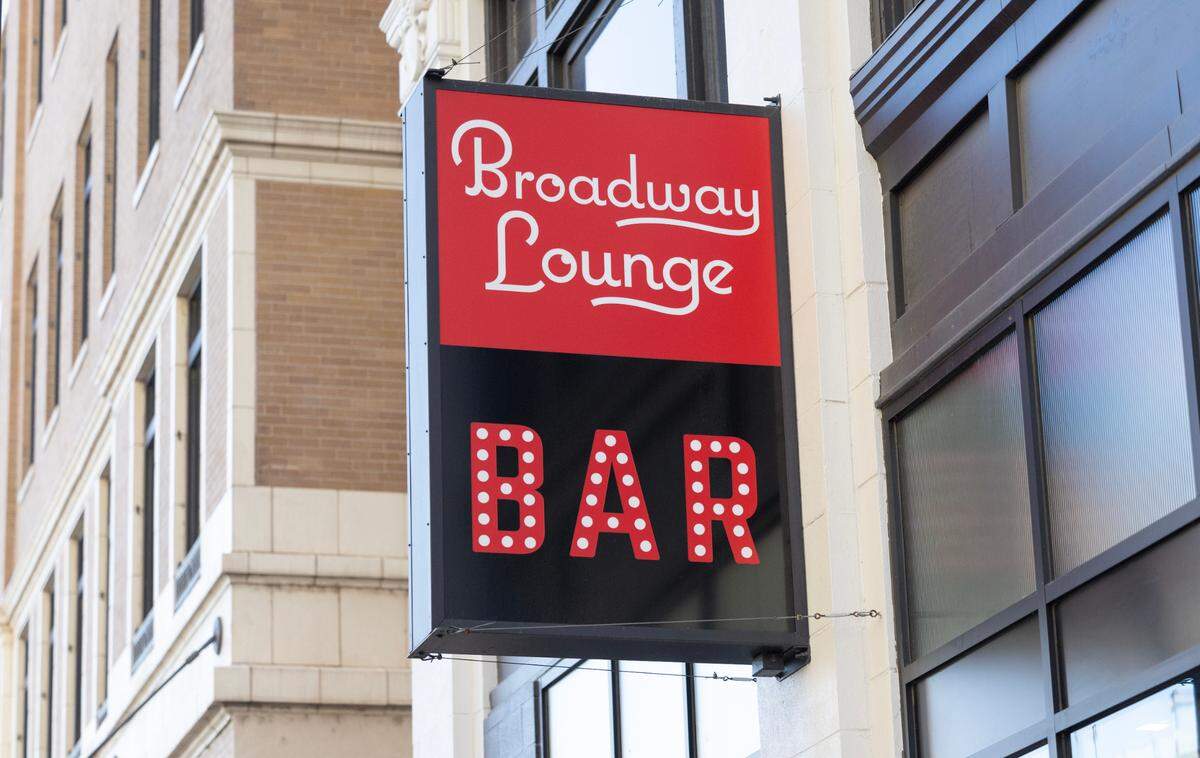
Tokala simultaneously is working on student housing at Sutton Place, which is at the southeast corner of William and Market.
It was supposed to open last year. Now, Tokala said she expects it to open late this year.
She said she expects this conversion to be easier since she’s not working with a franchise like at the hotel.
Over at the former Henry’s Building at the northeast corner of William and Broadway, which Tokala converted into space for the NICHE culinary school and a food hall, her Jinya Ramen Bar still is closed.
Tokala closed the restaurant in November following a parking dispute with the city.
She said her attorneys continue to discuss the situation with the city’s attorneys.
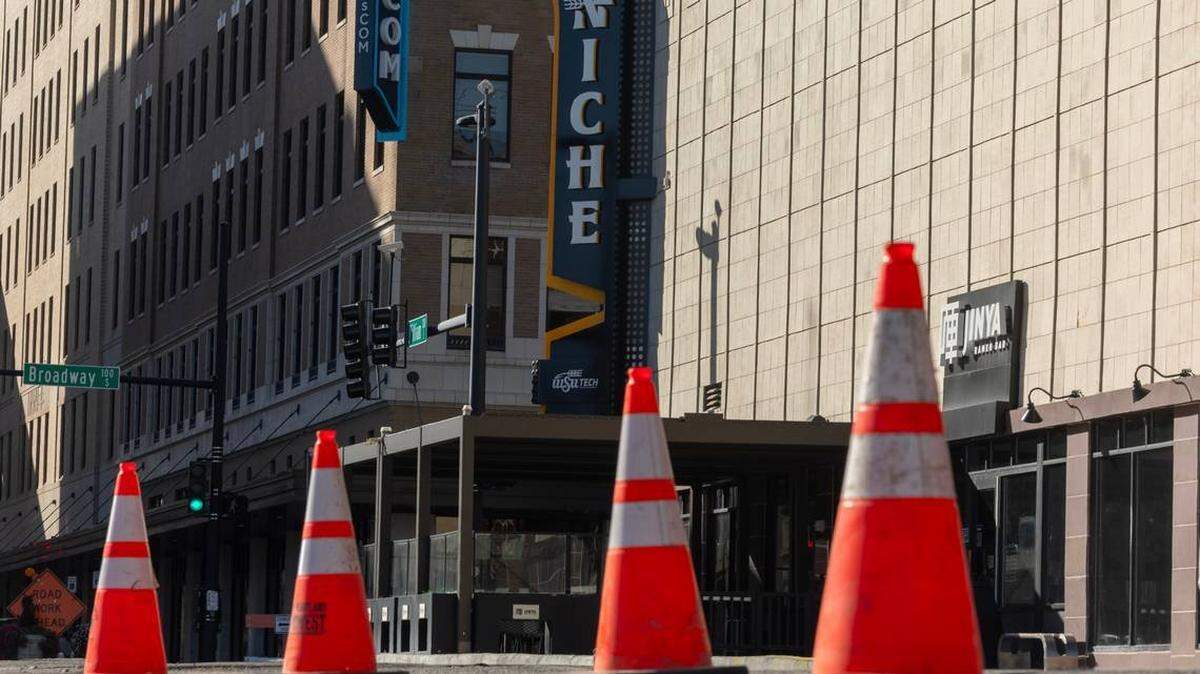
It doesn’t sound like the discussions are going particularly well, according to Tokala.
“They’re going.”
‘Even harder’
In addition to Henry’s, the hotel and student housing, Tokala also converted the former Finney State Office Building, which is two joined buildings at 130 S. Market and 230 E. William, for the Kansas Health Science University and the Kansas College of Osteopathic Medicine.
Tokala said with each building she finishes, she thinks it couldn’t get any harder.
“Then . . . the next one is even harder.”
One reason for that, she said, is working with the city.
“It’s just a lot of bureaucracy.”
That includes “red tape in the city manager’s office, red tape in the building permit stages, red tape in the historic preservation.”
“I wouldn’t suggest anybody do it, you know what I mean? Private money is better spent somewhere else where they would make money and not go through all this headache.”
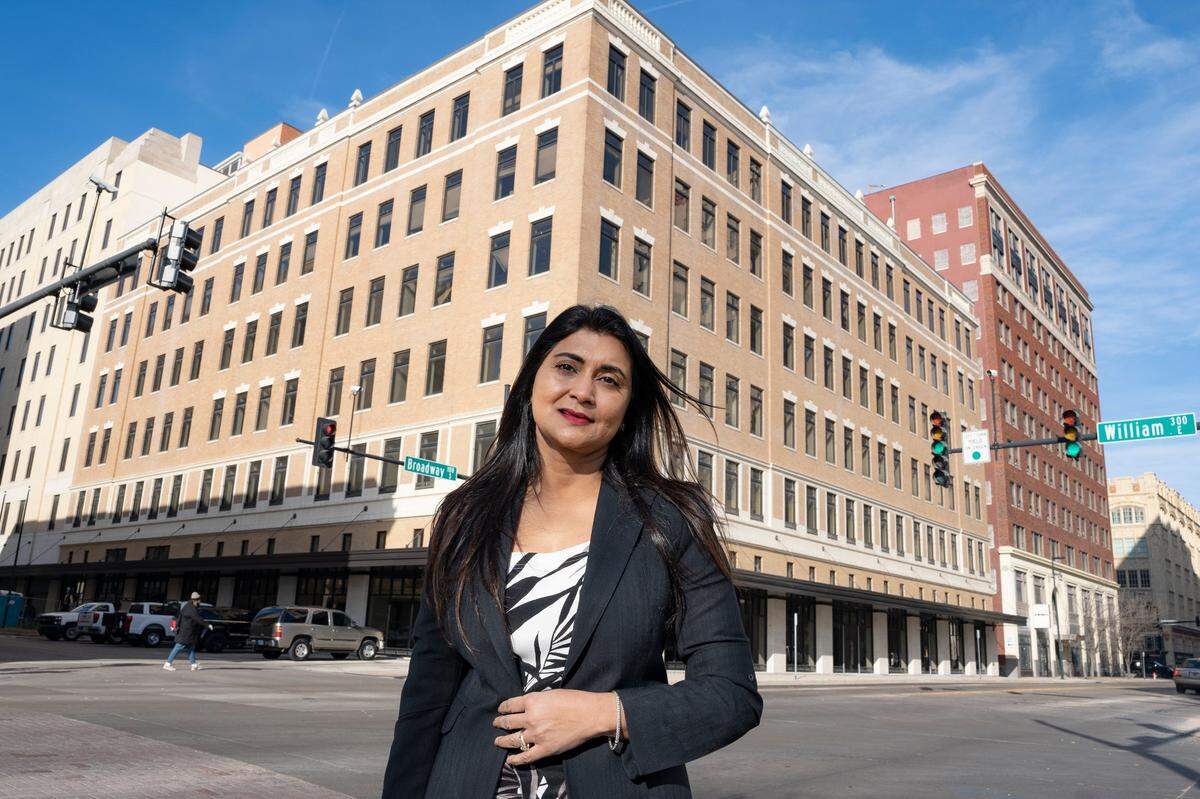
City spokeswoman Megan Lovely responded to Tokala’s complaints via text.
“We have no response on the developer’s feelings. Thank you for reaching out.”
Tokala said some of the issues have not been the city’s fault.
Since she first announced her plans — and then scrapped them before deciding to proceed after all — a lot has changed in the world. There was a pandemic, construction and material prices soared and interest rates jumped significantly.
Initially, Tokala estimated she’d spend $125 million to remodel five buildings clustered in one area of downtown.
Now, Tokala said interest rates are about twice what they were and building materials and labor are about 30% higher.
Still, she returns to what she called the headaches and unequal treatment by the city.
For instance, Tokala said, “You’re watching the Biomedical center get all this special treatment.”
She said the joint Wichita State University and University of Kansas Medical Center development just south of NICHE includes free land, millions of dollars in state and federal funds and road closures when construction needs them.
“Everything is going at whatever speed they want it to go.”
Though she said she supports that help for the Biomedical Campus, Tokala said she wants others to get similar aid from the city and clear passage when it comes to permitting and other issues that she said have held up her developments.
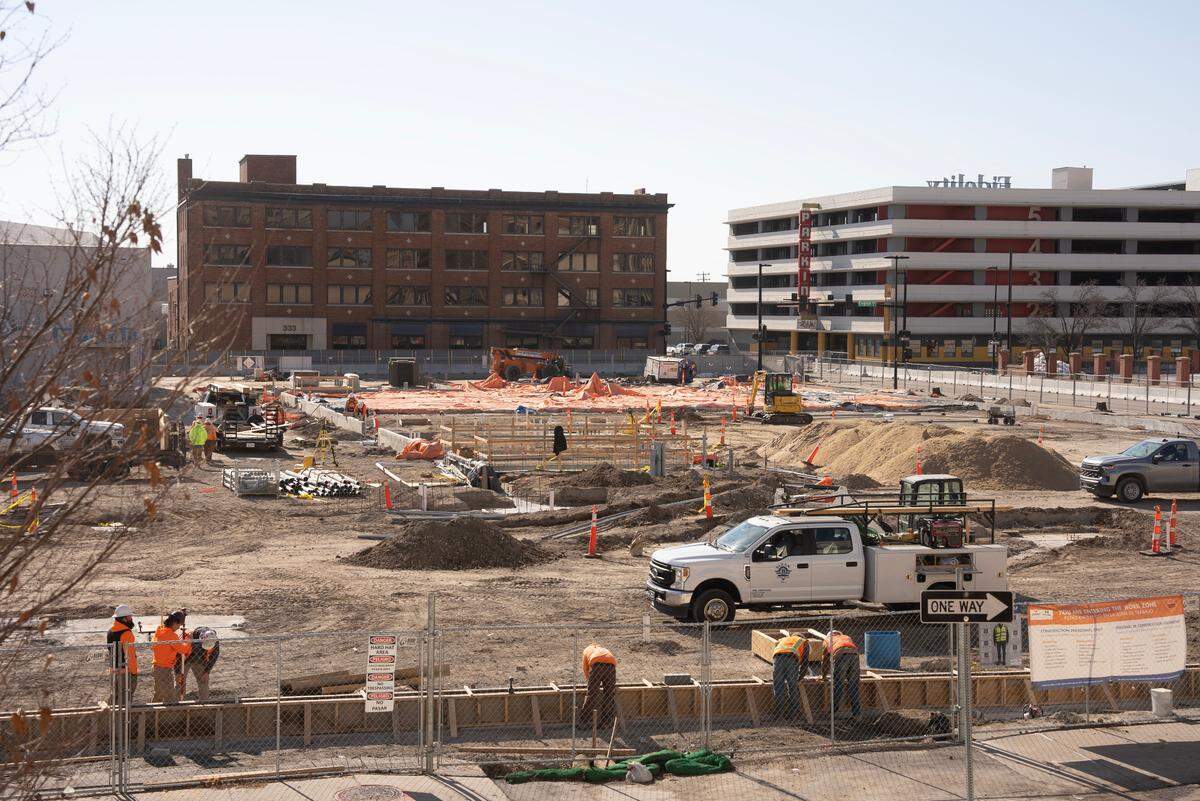
Tokala acknowledged that she’s received some city help in the form of 10-year tax abatement on her properties and loans from the city’s facade improvement program, but said the city’s enthusiasm for other projects does not match what it has for the Biomedical Campus. She said that’s going to hurt downtown in the long run because redeveloping older buildings isn’t financially feasible without incentives.
“Nobody’s going to give them all the incentives they need,” Tokala said. “No person in their right mind should be putting money into those buildings.”
She added, “I’m not trying to stir up any controversy. I’m just saying that’s my opinion.”
Tokala said there’s no part of her that looks back with happiness on what she’s accomplished.
“Nope, not at all. . . . I can’t wait to walk away.”