Dog flu has spiked in OK. Here’s how Kansas pet owners can protect their furry friends
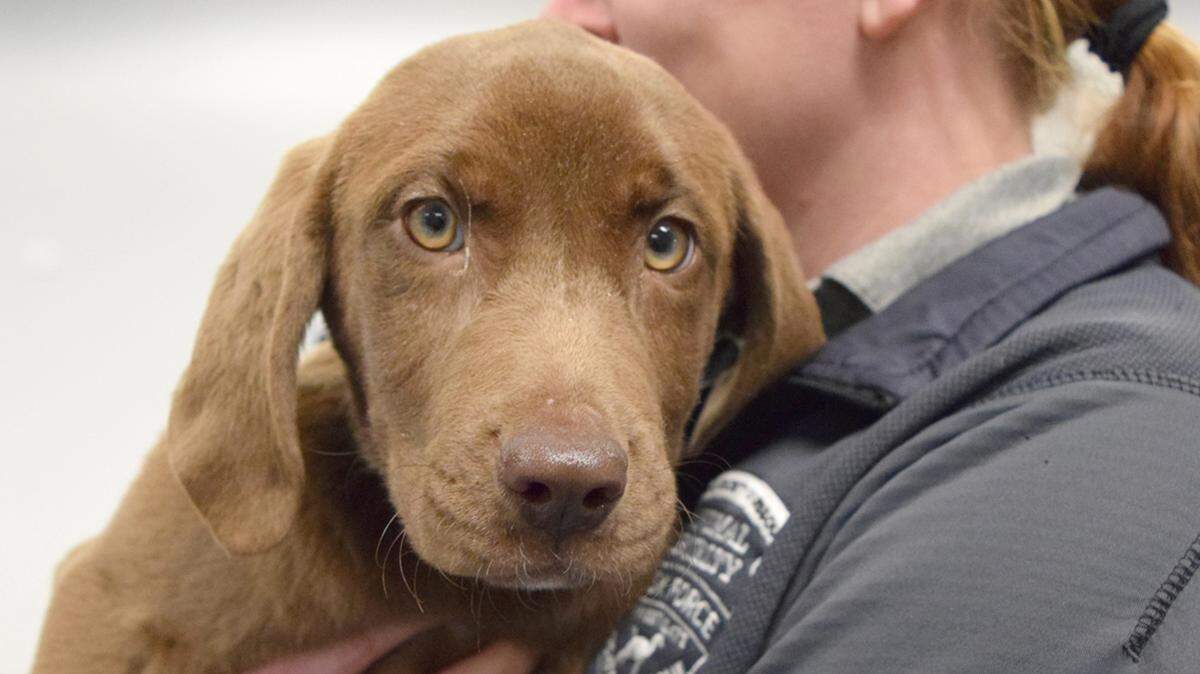
An extremely contagious disease that infects dogs has recently spiked in Oklahoma, causing animal shelters in the area to close in an attempt to contain the spread.
The dog flu cases in Oklahoma are not the only ones in the U.S. Philadelphia, North Texas and Minneapolis are some regions that have seen a spike in cases this year, according to CBS news.
Animal shelters in the Wichita area remain open this spring, and Jordan Bani-Younes, the director of communications for the Kansas Humane Society, said the organization has not seen any cases in the state as of this week.
Additionally, the humane society takes extra precaution if a dog starts showing warning signs. While the organization doesn’t have a way to test for dog flu, if veterinarians notice respiratory illness symptoms, the dog is kept in isolation, he said.
Here’s what to know about the dog flu, what actions you can take you protect your pets and what warning signs to look out for.
What is dog flu?
Canine influenza, widely known as dog flu, is a respiratory disease that can be caught by dogs. It is contagious and is caused by Type A viruses, including H3N2 and H3N8, according to the U.S. Centers for Disease Control and Prevention.
Per the agency, symptoms of the illness include:
- Cough
- Runny nose
- Fever
- Eye discharge
- Smaller appetite
Dog flu is most commonly spread in shelters and kennels where the animals are in close proximity, usually when an infected dog coughs or sneezes on others. The severity of the disease varies, but in some cases it can lead to pneumonia and death, according to the CDC.
Humans cannot contract canine influenza.
How can you protect your dog from the flu?
Dogs who participate in close-contact activities with other dogs have an increased likelihood of contracting the virus. This can include play at places like dog parks, kennels, day cares and more.
If your dog is at higher risk, you should consider the vaccination. The American Veterinary Medical Foundation calls the vaccine a “lifestyle vaccine,” which means it’s not recommended for every dog, just those who are considered higher risk. To see if your dog should get the vaccine, you should ask your veterinarian.
Should your dog show symptoms of the flu, keep it away from other dogs and get your pet tested for the virus as soon as possible.
If your dog gets infected with the virus, you should follow all isolation guidelines to prevent the spread of disease. Dogs who are infected with the H3N2 strain should stay in isolation for at least 21 days, and dogs with the H3N8 strain should stay isolated for at least one week.