
Hello, Jell-O: A look back at how we cooked and ate on Thanksgivings past
As you slide up to the table for Thanksgiving dinner today, there’s a good chance you’ll be eating something gluten-free, organic or both.
Your sweet potatoes or turkey gravy might have been prepared in an Instant Pot, and you or someone you know will post an idyllic, filtered photo of a plate of Thanksgiving goodness on social media later today.
Thanksgiving Day, more than any other holiday, is all about food. But even though some elements of the big meal have remained constant — turkey, stuffing and pumpkin pie — over the decades, food trends have changed and evolved as home cooks and home cooking technology becomes more sophisticated.
Recently, editors at The Wichita Eagle dug back through the cookbooks that the paper published every year from 1955 until 2016, filled with reader-submitted recipes. And it got us thinking about the way home cooking has changed since the first book was published.
As it turns out, 1955 was the year that Campbell’s Soup test kitchen introduced a recipe for a dish called green bean casserole, something that still graces many Thanksgiving tables today. Canned cream soups were a thing, and casseroles that used them as a base were on every table.
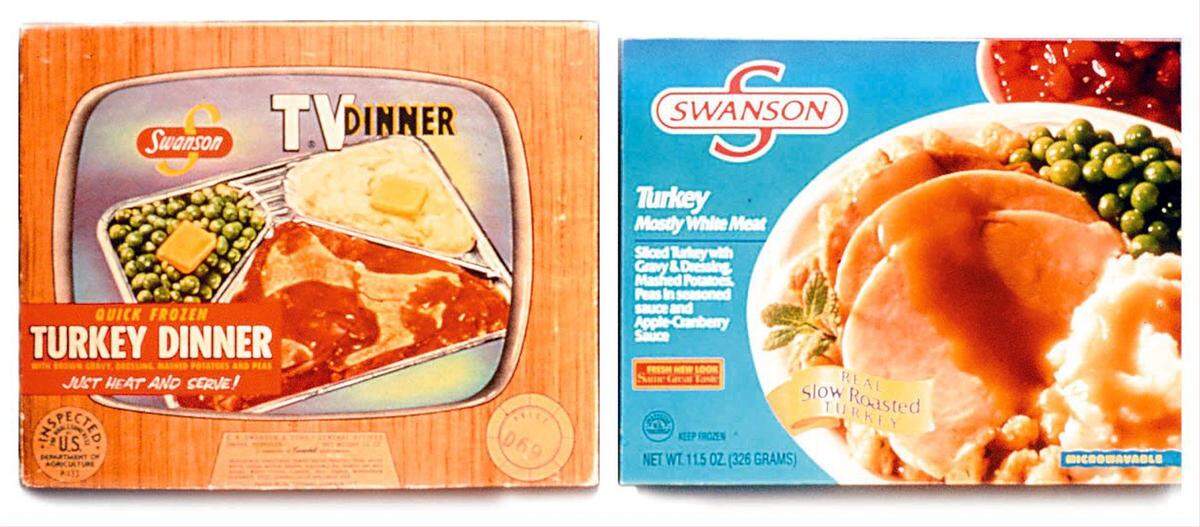
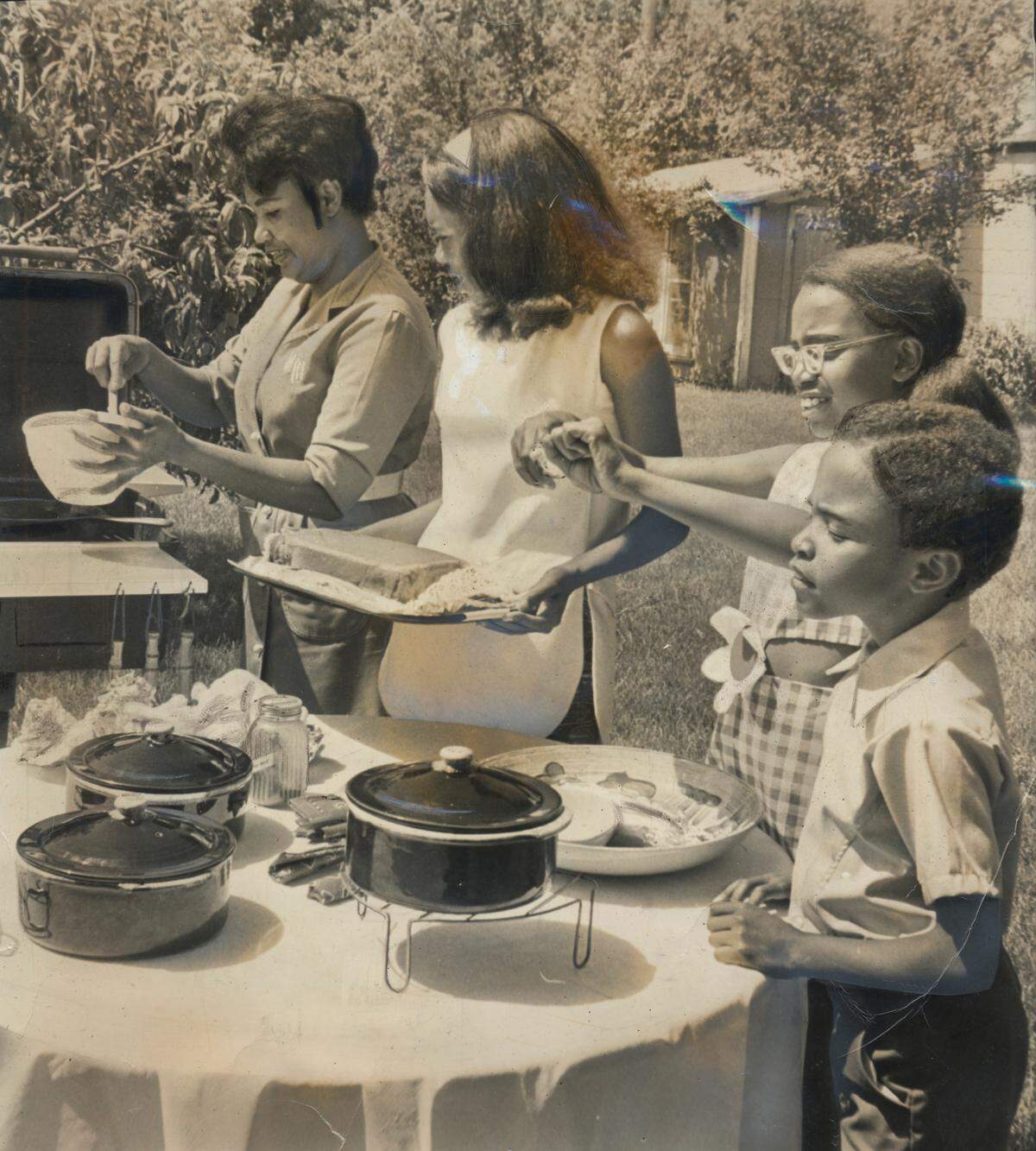
During the 1950s, a post World War II American was enjoying greater prosperity — and eating more meat. Backyard barbecuing was trendy, and more and more convenience foods were starting to appear. Heat-and-serve TV dinners served in metal trays were popular alternatives for busy families.
By 2016, the last year the cookbook was published, people still made green bean casserole. They still used canned cream soups, barbecued outside and ate heat-and-serve meals. But they had so many more options, not only in what foods they could buy but where they could buy them and what appliances and gadgets they could use to cook them.
Here’s a fun look back at how cooking and food trends have changed over the past 65 years. Read it before you pop your turkey in the oven, and give thanks that you live in a time when the Thanksgiving bird can be deep fried, when your rolls will be spread with butter instead of Oleo, and your cranberries won’t be suspended in Jell-O. At least we hope not.
The 1950s: Casseroles and cream soup
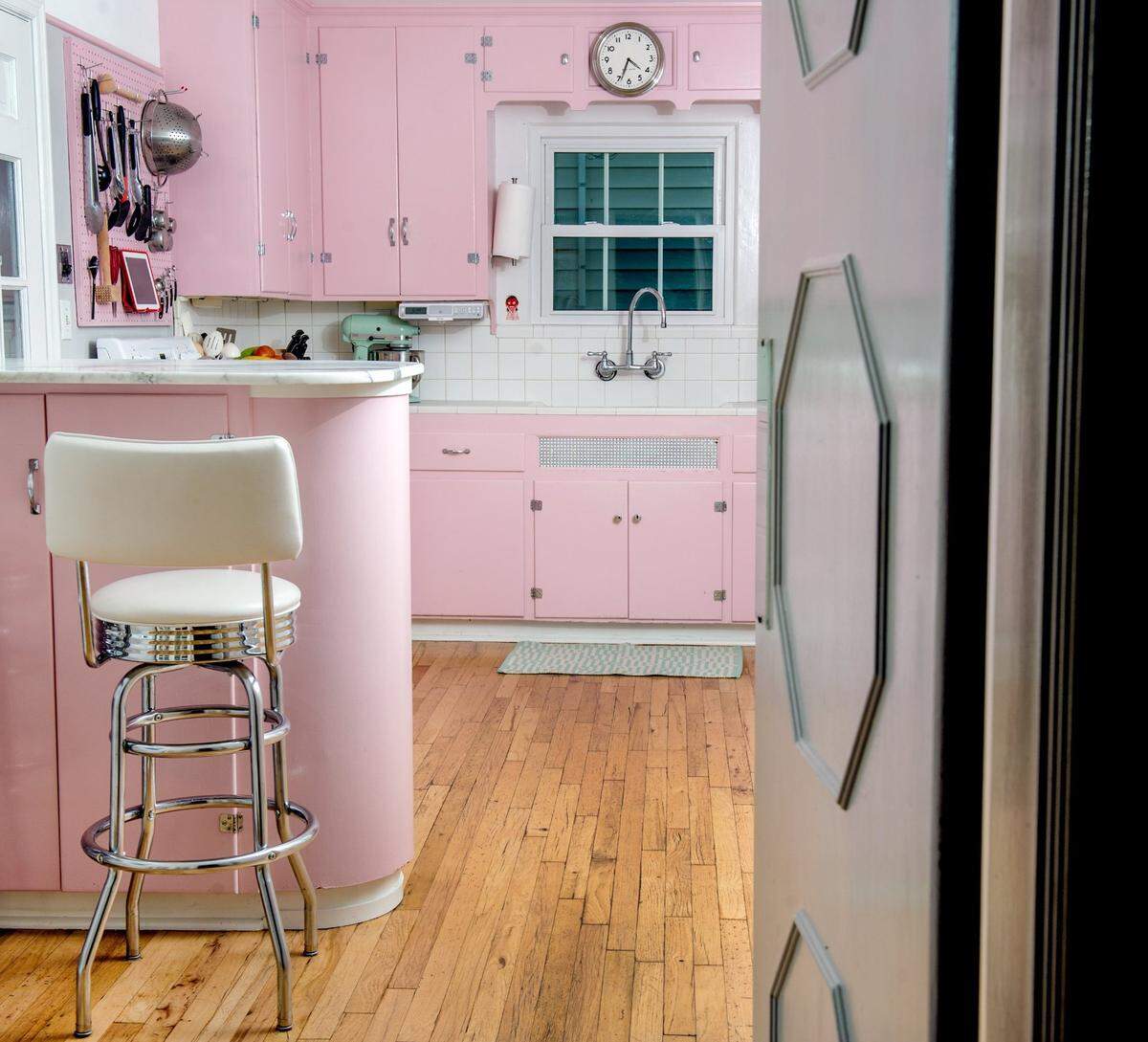
Cooks of the 1950s frequently put their food and dishes away in steel cabinets, manufactured in hues of pink, yellow and mint green. They had the first-ever ice makers and freezers that auto-defrosted. They might even have had one of the first microwaves made for residential use, which were released in 1955. But they didn’t have a dishwasher.
Advances in cookware — and those cream soups by Campbell’s — meant that many cooks started making casseroles, and tuna noodle was a staple. Anyone who was anyone served pineapple upside down cake for dessert, something easy to make once boxed cake mixes became more available.
Backyard barbecuing grew in popularity, and guests would often arrive at cookouts with trays of deviled eggs. Another must-have appetizer at any party was a relish tray, filled with olives, pickles, raw carrots and raw celery.
On nights when no one felt like cooking , Swanson Frozen Dinners were the go-to solution. The first TV dinner, the Swanson’s turkey dinner, hit the market in 1953.
Other recipes that were popular included chicken a la King, meatloaf and beef stroganoff. And people sure loved their Jell-O molds, which would turn out jiggly, edible sculptures filled with crushed pineapple, cottage cheese, nuts, cucumbers and shrimp.
Thanksgiving dinner in the 1950s: Roast was the star of the show, but before growth hormones were common, the centerpiece bird was much smaller than what today’s diners are accustomed too. Gravy was made from giblets, and stuffing was made with chestnuts. The meal would often include clams or oysters in some form. A relish tray was a must, and mince-meat might show up in the pie.
The 1960s: Convenience is king
Wood cabinets were more common in early 1960s kitchens, and they were often accompanied by Formica countertops. By the end of the 1960s, kitchens were getting a wee-bit crazier, with psychedelic colors and futuristic designs.
People were throwing cocktail parties and serving things like Swedish meatballs, fondue, stuffed mushrooms and shrimp cocktail.
Convenience foods were becoming more commonplace, and in the 1960s, the Eagle’s annual recipe contest even added a category for foods made with convenience products: Lipton Soup Mix, Cool Whip, instant mashed potato flakes, refrigerated biscuits, canned vegetables and such.
Pringles, Pop-Tarts, Gatorade and Doritos were all invented in the 1960s as were Spaghetti-Os and Easy Cheese., and it’s also the decade when kids started eating sugary breakfast cereals like Fruit Loops and Lucky Charms. Kids also wanted Tang because astronauts drank it.
But the ’60s were also the decade of Julia Child: Her famous cooking show “The French Chef” debuted in 1963, and suddenly, home cooks were attempting beef bourgignon and cheese souffle.
Thanksgiving dinner in the 1960s: Pop-up timers appeared in turkeys in the 1960s, celebrated by cooks tired of a dry bird. Jell-O salads and green bean casserole continued to grow in popularity, and Cool Whip became the standard topping for pumpkin pie.
The 1970s: Crock pots and microwaves
Kitchens got truly crazy in the 1970s, and the very unlucky homeowner might still be living today with the remnants of ’70s kitchen designs, which favored wood paneling, loud linoleum, faux brick walls, dim lighting, wild patterned wallpapers, sometimes even shag carpet. Popular colors included autumn tones like harvest gold, avocado green, burnt orange and brown.
Crock pots caught on in the 1970s, as women were entering the workforce and looking for time-savers in the kitchen. Rival’s version of the crock pot was released in 1971, and by 1975, sales had risen from $2 million to $93 million. Microwaves were becoming more affordable in the 1970s and became common in many home kitchens.
Hamburger Helper was a creation of the 1970s, and dessert eaters demanded carrot cake and black forest torte. Fondue was still holding on, as were Jell-O and Cool Whip-based salads. Cheese balls were served at every party. People became more interested in Hawaiian culture and started putting pineapple in and on everything.
Though Julia Child was still influential, chef Alice Waters, who opened Chez Panisse in Berkeley, California, in 1971, was teaching people to move away from processed foods toward fresh, seasonal cooking. Southwestern and Tex-Mex fare was gaining popularity.
Thanksgiving dinner in the 1970s: Stove Top Stuffing was invented in the early 1970s and was an instant hit. A 1970s Thanksgiving feast might also include Waldorf or Watergate salad.
The 1980s: Pesto and poppy seeds
The kitchen “island” rose to prominence in 1980s kitchens, as husbands and kids started hanging out with mom during meal prep. Tile counters and laminate cabinets — often white with oak trim — were popular in kitchen remodels.
Family meals often consisted of comfort foods like Sloppy Joes or mac and cheese, and home cooks were also trying out more sophisticated recipes using pesto and sun dried tomatoes. Salads with sweet poppy seed vinaigrette were trendy, as were quiche and pasta salad.
Hidden Valley Ranch released the first shelf-stable bottles of Ranch dressing in 1983, and Chef Paul Prudhomme, who just before the decade began opened his K-Paul’s Louisiana Kitchen in New Orleans, made Cajun food and blackened meat a fad in home kitchens.
Spinach dip in a bread bowl was a popular party snack, as were potato skins and chicken wings. But diners were also starting to pay more attention to their waistlines. Frozen Lean Cuisine dinners were introduced in the 1980s, and the first veggie burgers hit the market. Diet Coke was introduced in 1982, as was Crystal Light drink mix.
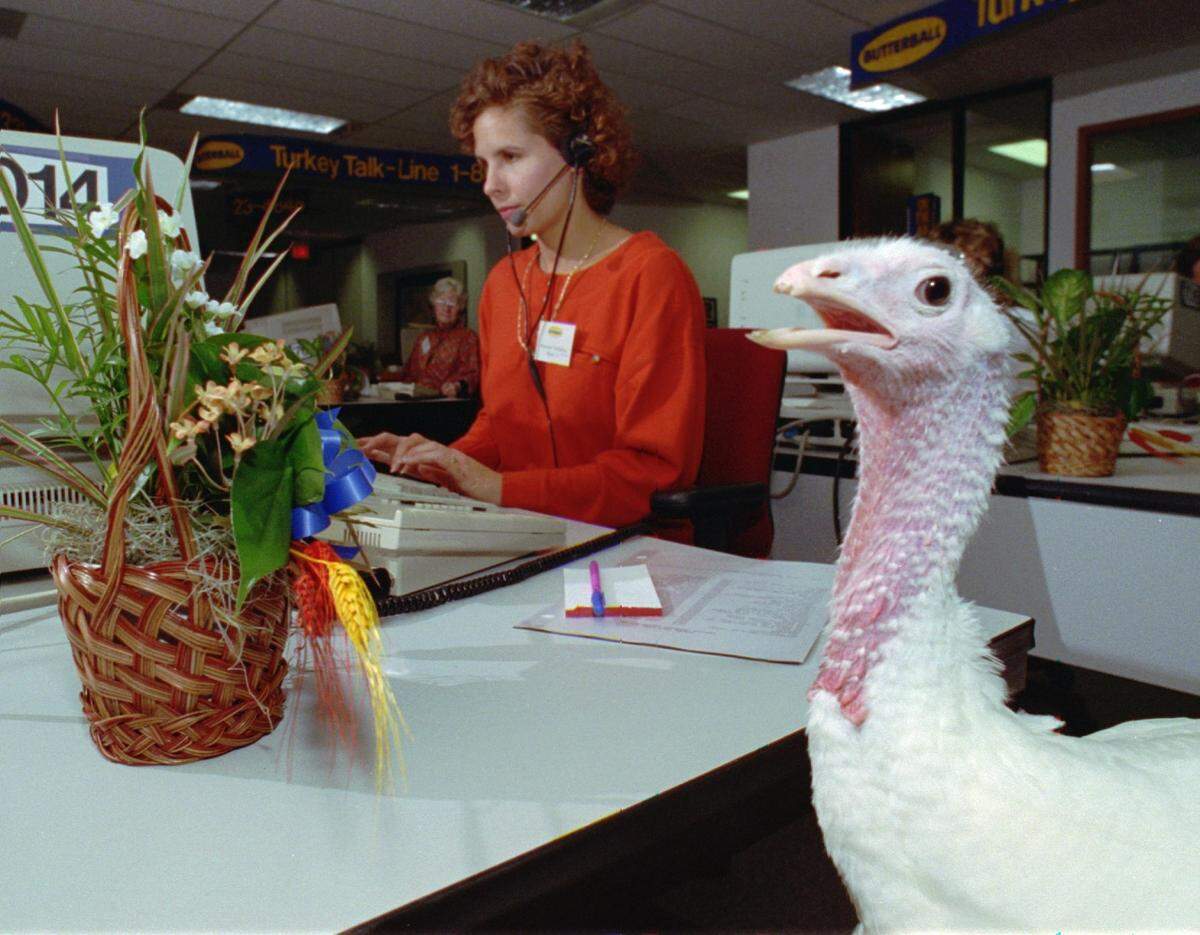
Thanksgiving Dinner in the 1980s: Between 60 and 70 percent of American households had a microwave in the 1980s, so no doubt some of your side dishes were nuked to completion. And Chef Paul Prudhomme, who popularized blacking, trademarked the turducken — a duck-stuffed-in-a-chicken-stuffed-in-a-turkey— in 1986. Butterball’s Turkey Talk-Line started in 1981 and since then has been offering home cooks live turkey cooking advice every year.
The 1990s — Emeril says ‘BAM!’
Food Network was launched in 1993, and it started to influence how Americans cooked. Suddenly, chefs were recipe-sharing celebrities, and home cooks were devoted to Emeril Lagasse (BAM!), Bobby Flay, Mario Batali and Alton Brown.
Americans became obsessed with fat-free foods in the 1990s, convinced that high-fat foods made them fat. Many spent the decade loading up on processed low-fat treats that were high in sugar and calories — think SnackWells cookies and Entemann’s cakes.
In the late 1990s, the Eagle’s recipe contest was expanded to include a “light fare” category, and winners included recipes like low-fat hot chicken salad and low fat Alfredo sauce.
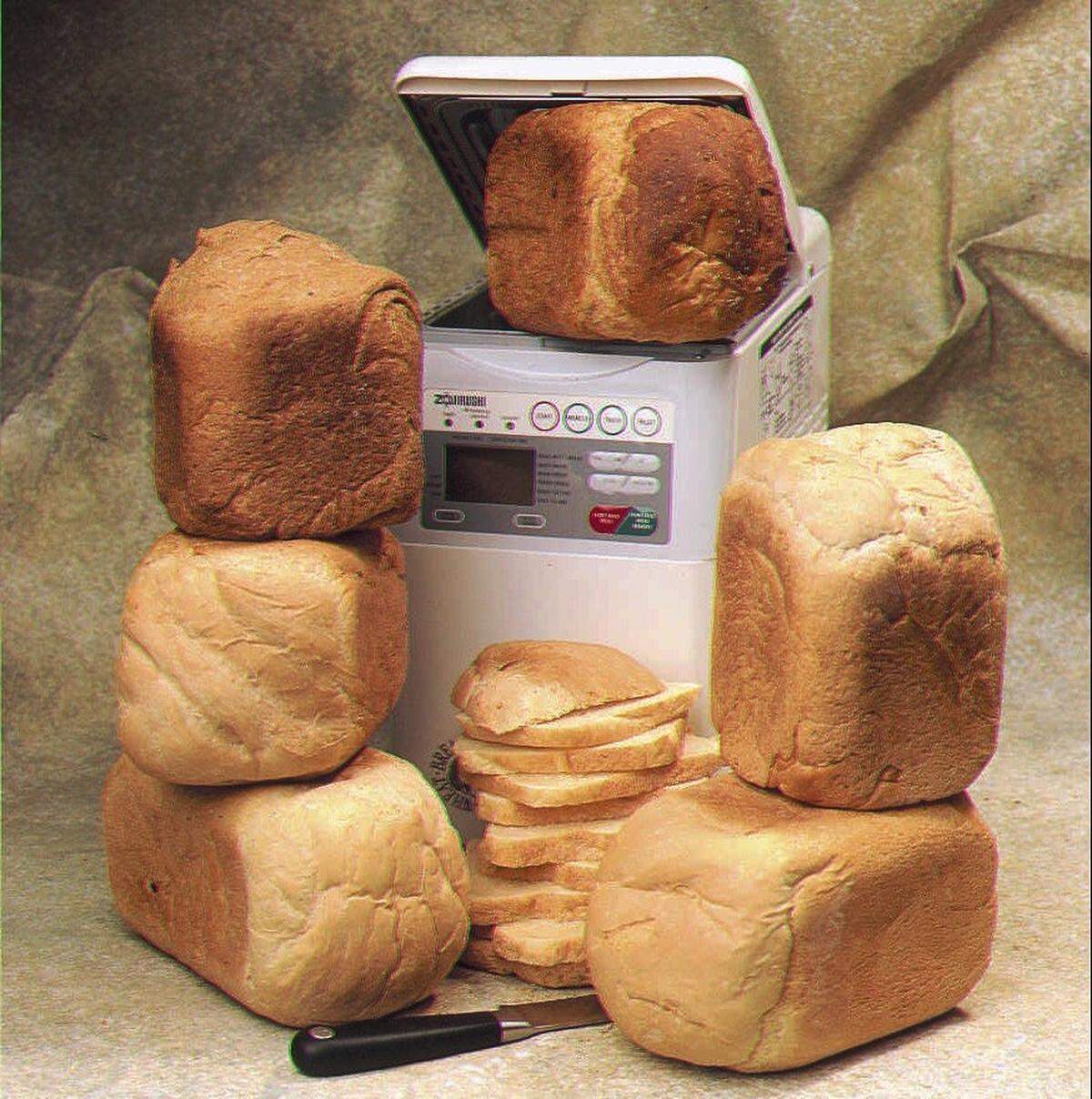
Home cooks were crazy for bread machines— countertop appliances that mixed and baked loaves all on their own — and by 1999, one in five American homes had a bread machine. The George Foreman Grill, pitched by the boxing legend, was introduced in 1994. It was a double-sided indoor grill that allowed users to watch fat drain off meat and into a little plastic canoe as it cooked. More than 100 million were sold in the 1990s.
Entree salads became more popular, and chicken Caesar and Asian chicken salads were in demand. A dinner party thrown by an energetic home cook would likely end with creme brulee or a molten chocolate cake. But overall, people cooked at home less in the 1990s, embracing restaurants, take-out and fast food.
Country-style kitchens were en vogue, as was oak cabinetry, sponge painting and vinyl flooring. Open kitchens also became a thing in the 1990s.
Thanksgiving dinner in the 1990s: You might have tried your first deep-fried turkey in the 1990s after both Martha Stewart and the New York Times gave people the go ahead to give it a try. Hopefully, you didn’t burn down your house in the process because many people did.
The 2000s: Watch those carbs
The housing bubble of the 2000s — with an assist from HGTV — turned granite countertops into every home cook’s kitchen dream. Stainless steel appliances were in demand, and people started swapping their dark wood cabinets for white.
Food Network grew even more in popularity, and 30-minute-meal queen Rachael Ray and Southern chef Paula Deen were two of its biggest stars.
Low-fat was out, and thanks to the South Beach and Atkins diets, low-carb was in.
People became obsessed with bacon, coffee, gourmet cupcakes and all things pumpkin spice. Home cooks could suddenly find any recipe they wanted, complete with detailed photos, on the internet. Food bloggers were in the spotlight, and blogs like smitten kitchen, Food 52, Serious Eats and The Pioneer Woman got their starts.
Home cooks started buying Keurig coffee machines in the early 2000s, and the Magic Bullet smoothie making machine dominated sales in 2005.
The “eat local” trend started to take hold in the 2000s, and shoppers began demanding organic foods.
Thanksgiving dinner in the 2000s: Cook’s Illustrated magazine endorsed turkey brining in 2004, and soaking your bird in a salty bath became a Thanksgiving fad after that.
The 2010s: Instant Pots and Air Fryers
Home cooks are still knee-deep in some of the cooking trends of the 2010s.
They love their Instant Pots and Air Fryers. They’re avoiding gluten. They’re paying big bucks for meal kit delivery services.
In the 2010s, people fell in love with Sriracha and squirted it on to everything. Kale went from fiber to fabulous. Avocado was the toast topper of choice. Lifelong meat eaters gave veganism a try. Milk came not only from cows but also from nuts and plants. Cauliflower was no longer just a vegetable but a base for pizza crust and a substitute for rice and potatoes.
Brunch became a big deal in the 2010s, and food shopping at Trader Joe’s became an art form. So did artfully photographing meals to post on Instagram.
Kitchen designers added pot fillers and pull-out faucets and still wanted white cabinets — preferably shaker style. A growing number of cooks ditched electric stoves in favor of the easier-to-control gas models of days gone by.
Thanksgiving dinner in the 2010s: It’s possible you shopped for your entire Thanksgiving dinner list without stepping into a store in the 2010s as online ordering, pickup and delivery became mainstream. With pellet smokers becoming more popular and more reliable, you might very well have had one of Uncle Bob’s smoked turkeys during the 2010s, too.
This story was originally published November 25, 2020 at 2:30 PM.
.jpg)