
Wichita suburban school district looks to March election for $213M bond issue
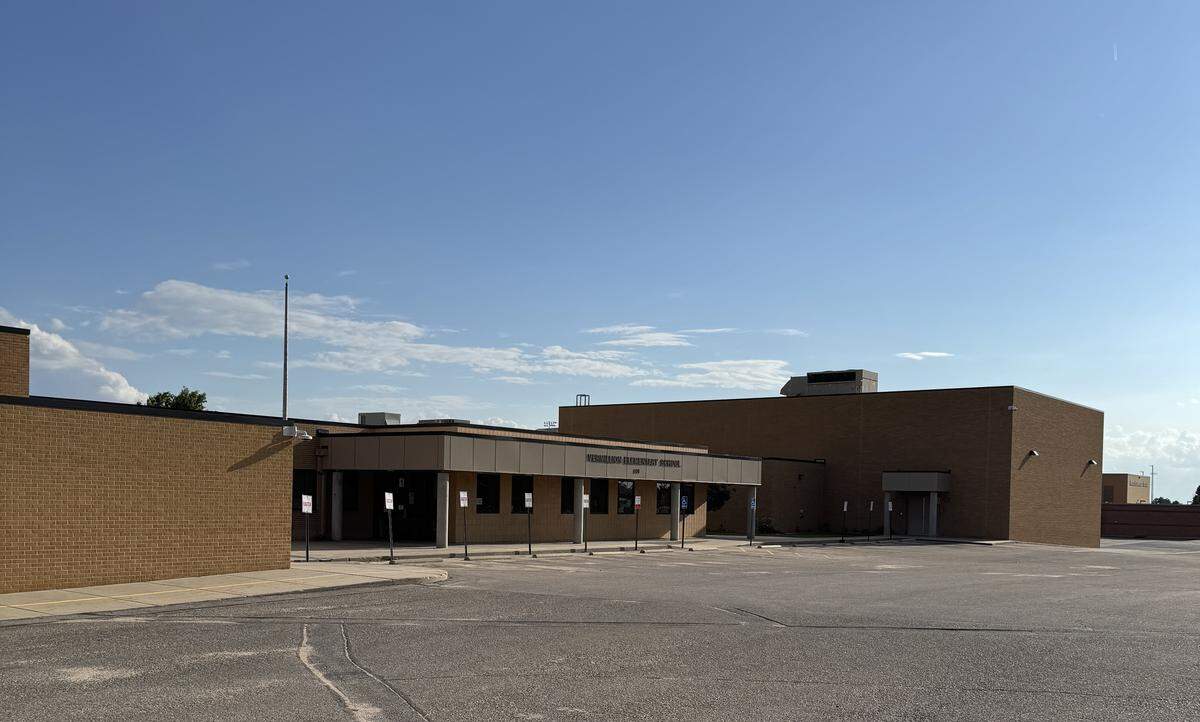
Voters in Maize School District 266 will decide whether to approve a third bond issue in 12 years when they go to the polls in a special election next March 2.
Maize school board members unanimously passed a resolution June 8 that will ask voters to decide whether they want to spend $213 million on enhanced learning spaces, districtwide security improvements and expanded community partnerships.
The school board says the new bonds will be able to be issued without an increase in the current mill levy. While the school district is still paying on its 2019 bond issue, it paid off its 2015 bond issue last September, ahead of schedule. The retirement of that debt is allowing the school district to propose a new bond issue without raising its mill levy. Without another bond issue, the school district’s mill levy could go lower.
The most expensive projects will be renovations and additions to Maize South High School, at a cost of $44.9 million; a new Vermillion Elementary School that would be located west of Maize Intermediate School, at a cost of $44.6 million; Maize High School renovations and additions, at a cost of $40.5 million; and Maize Career Academy renovations and additions, at a cost of $32.4 million.
Other projects include mechanical improvements districtwide, at a cost of $15.0 million; improvements to the four other elementary schools, at a combined cost of $10.6 million; an addition to the Early Childhood Center, at a cost of $9.4 million; districtwide roof improvements, at a cost of $5.9 million; renovations to the existing Vermillion Elementary School to repurpose it for broader community uses, including a community center, latchkey care and a community storm shelter, at a cost of $3.1 million; safety and security improvements districtwide, at a cost of $3.0 million; the renovation of the family and consumer sciences classroom and kitchen spaces at Maize South Middle School, along with a turf football field and the addition of a track, at a total cost of $2.5 million; and the addition of a turf football field and resurfacing of the track at Maize Middle School, at a cost of $1.1 million.
The proposal still needs approval from the Kansas State Board of Education before the bond issue could be put before voters.
The board also approved, on a 5-2 vote and subject to legal review, the hiring of SPT Architecture of Wichita to lead design efforts if the bond issue is approved. The firm said it would partner with DLRGroup out of Kansas City when it made its presentation to the board during a special meeting last month. Board members Dr. Michael Russell and Melanie Smarsh voted against SPT Architecture.
The school board heard presentations from four architecture firms at a specially called May 26 meeting. SPT and Wichita-based Schaefer Architecture, which has done much of the most recent design work for Maize, were the two finalists for the contract.
The school board vote on the bond issue came after brief presentations by four members of the Facilities Steering Committee. The group, comprised of about 50 people ranging from students and parents to school district employees and other community members, has been meeting monthly since December 2024.
In starting the presentation at the June 8 school board meeting, Superintendent Raquel Greer reminded board members that those giving input into the plan wanted the school district to focus on creating innovative and inspiring places for students to learn, to ensure the safety of the school district’s campuses, and look at ways to accommodate anticipated growth.
Darin Augustine, the school district’s executive director of operations, told school board members that safety measures also include making sure there is adequate parking and better traffic flow in and out of each campus.
Lori O’Toole Buselt, executive director of communications for Maize schools, pointed out that the final projects included in the proposed bond issue were determined in large part by the feedback and voices the Facilities Steering Committee heard during the process of meeting with a variety of groups.
John Regier, the USD 266 chief financial officer, concluded the Facilities Steering Committee’s presentation by reminding board members that the goal all along has been to make any and all improvements without raising the mill levy.
After the presentation, board President Andrew Johnson said: “I think overall this is a well-laid-out plan that meets the needs of the district.”