
Is wearing white after Labor Day in Kansas still a fashion faux pas?
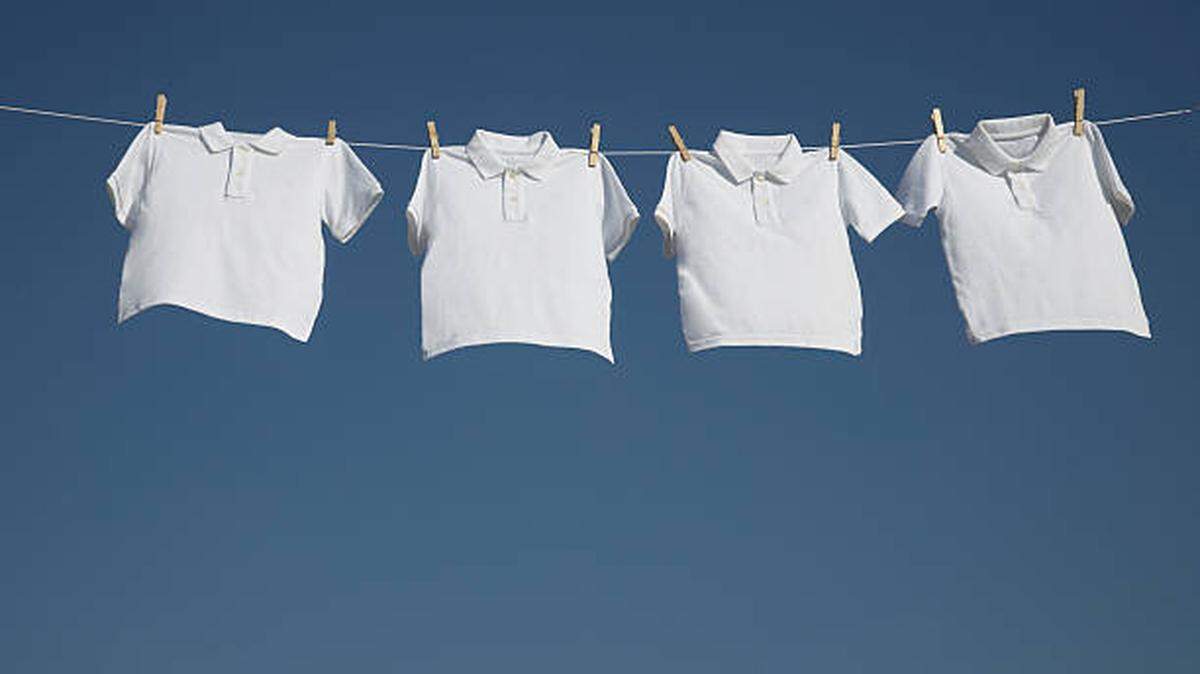
The first weekend in September marks the Labor Day holiday, but for some it is also the last weekend to wear white summer clothes.
But why? Where did the “no white after Labor Day” rule come from, and do today’s confines of fashion still force you to put away your white pieces after the holiday?
If you were to ask Bonnie Bing, the former Wichita Eagle fashion writer, today’s styles have different standards that allow people more freedom.
“In fashion, they say now there are no rules,” she said.
Euri Mead, a doctoral student at the Kansas State University fashion studies program, emphasized that rules like “no white after Labor Day” put people into a box.
“I think it’s up to the individual and their style,” Mead said. “I think that’s important, and something in the field that we want to push out is individual style instead of so much following trends.”
According to Mead and fellow doctoral student Nicole Clancy, there is no traceable history for the origin of no white after Labor Day. However, it most agree it probably stemmed from the wealthier classes who spent summers in the country or at resorts and returned home ready to put away their summer clothing.
“They’re out of the summer mode, entering into the fall and the workplace,” Mead said. The rule also furthered a status quo of “old money” over “new money.”
According to Mead and Clancy, creating fashion expectations that newly wealthy women wouldn’t know about forced them to be different from elite society.
As early as 1920, trend-setter Coco Chanel threw out this “unspoken rule” when she designed an all-white suit specifically to be worn after Labor Day, Mead and Clancy wrote.
However, a 1996 Wichita Eagle article by Bud Norman found that putting away white clothing was still the standard for Wichita fashion. A local clothing store employee said in the story that the reason behind the tradition didn’t truly matter, but being in style did.
“Wear white if you want,” she said. “But if you really want to be in the know, you don’t.”
Mead decided to talk about this tradition with her History of Fashion students on Thursday to hear their thoughts and see how much the tradition has changed.
The overall reaction, she said, was “that’s not a rule anybody should follow” because it takes away from everyone’s individual style.
Mead, who specializes in looking at end-of-use clothing, said rules like this can increase fast-fashion waste because it causes trends to change more frequently.
“You’re always going to follow a trend, but you want to develop around your own personal style,” Mead said. “So, hopefully, we don’t have as much waste all the time because it’s not changing all the time.”
The confines of style to represent class and status are much less prevalent than they once were, Mead and Clancy said. Fashion is now seen as a way for people to express their unique tastes.
“I mean, look how hot it is,” Mead said. “Why would it matter if you wear white?”