
Keep court independent
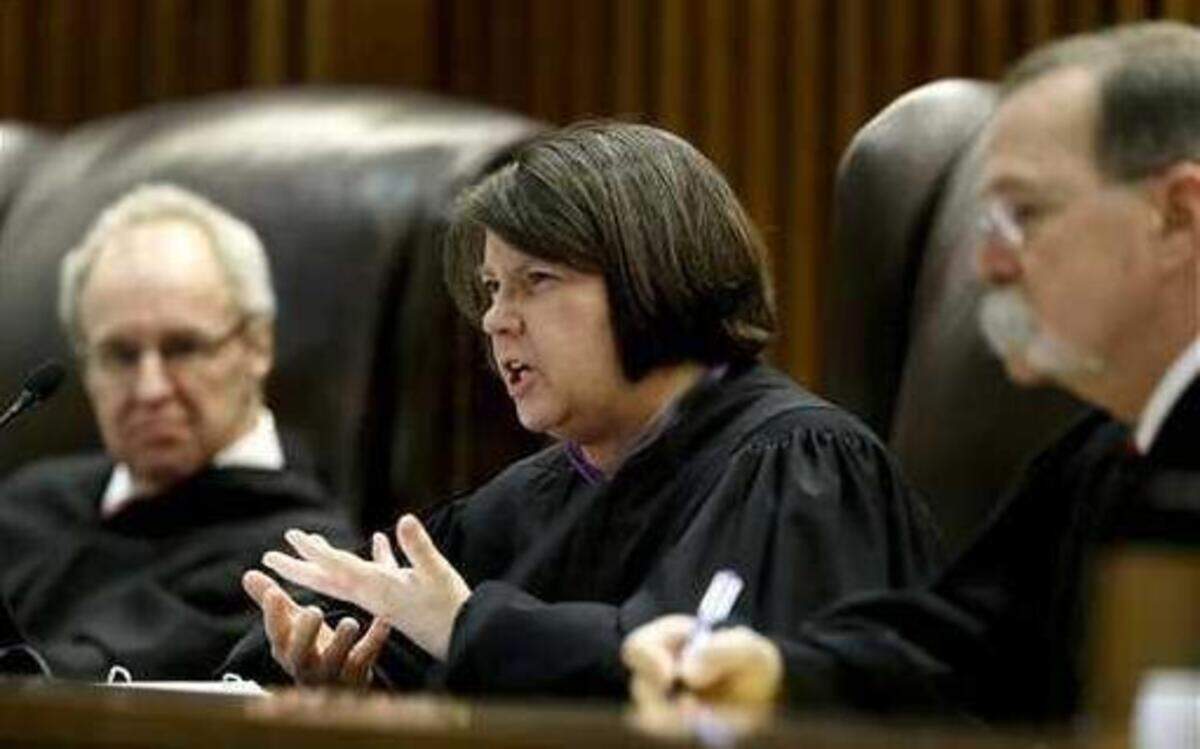
Gov. Sam Brownback has criticized the process for selecting Kansas Supreme Court justices as undemocratic. But the last thing a democratic government needs is a high court whose members were chosen for political pedigree rather than legal knowledge and experience.
And as the Senate takes up constitutional amendments aimed at giving Brownback what he wants, lawmakers should recognize that when he talks about a “democratic” selection process he does not mean open and transparent.
The proof is in his record – his two appointments to the Kansas Court of Appeals under the system he persuaded the 2013 Legislature to adopt for that appellate court and now wants to extend to the Supreme Court.
For 32 years, Kansans had known who applied for each vacancy on the Court of Appeals and which applicants rose to the top in the vetting by the nominating commission. Composed of five attorneys and four gubernatorially appointed non-attorneys, the commission recommended a top three to the governor, who named one to the court.
But Brownback has shrouded the whole process in secrecy since 2013, when he picked his lawyer Caleb Stegall for the first Court of Appeals opening under the new system. Last month he similarly refused to disclose applicants’ names before nominating Kathryn Gardner to the court. He expects the public to just trust his judgment, without any context for his choice.
And if there was not a serious effort by Senate Republicans to scrutinize the governor’s choice of his own lawyer for a court vacancy before a Senate confirmation vote, Kansans should not expect anything but a party-line coronation of his future solo Supreme Court picks as well.
Worse, the other constitutional amendment on the table would move to direct partisan election of members of the Supreme Court and Court of Appeals. It’s hard to believe anyone who lived through the 2014 campaign’s outrageous robocalls and ads – many financed by shadowy groups funded by undisclosed donors – would advocate pulling the appellate courts into that partisan muck.
Another proposal to lower the mandatory retirement ages of appellate judges to 65 and district judges to 70 also looks like a ploy aimed at letting Brownback pack the courts – and unbecoming a Legislature with a 75-year-old House speaker and plenty of other able seniors in its ranks.
Last week’s news that Sen. Pat Roberts, R-Kan., was making calls to House members suggests the governor lacks the two-thirds vote needed in both chambers to put a constitutional amendment on the 2016 ballot tampering with judicial selection.
Lawmakers should resist ruining a Supreme Court selection process with a 57-year record of judicial independence and impartiality, especially with the former Senate Judiciary Committee chairman now quoting Brownback as saying in 2012 he wanted to “change the way we select judges so we can get judges who will vote the way we want them to.”
For the editorial board, Rhonda Holman
This story was originally published February 23, 2015 at 6:06 PM with the headline "Keep court independent."